Menopause Belly: The Real Reason It Happens After 40 (And What Actually Works)
If you’ve ever stood in front of the mirror wondering when, exactly, your body decided to start storing fat around your middle — you’re not alone. Menopause belly is one of the most universal (and most frustrating) complaints women face after 40.
You haven’t changed your diet. You haven’t stopped exercising. You’re not eating more than you used to. And yet — there it is. That stubborn, soft layer around the waist that didn’t exist five years ago.
Here’s the truth nobody tells you: this isn’t a willpower problem. It’s a hormone problem. And once you understand what’s actually happening in your body, you can finally do something about it.
In this post, we’ll break down what menopause belly really is, why it happens biologically, why traditional weight-loss advice doesn’t work after 40 — and the strategies that actually move the needle for women in perimenopause and beyond.
What Is “Menopause Belly,” Really?
“Menopause belly” is the term women use to describe the noticeable shift in where the body stores fat during perimenopause and menopause. Instead of distributing weight across your hips, thighs, and bottom (the way your 20- and 30-year-old body did), your body suddenly parks most of it around your midsection.
This isn’t just an aesthetic concern. Visceral fat — the kind that accumulates around your abdominal organs — is metabolically active and linked to higher risks of heart disease, type 2 diabetes, and inflammation. So understanding why it happens, and how to address it, is genuinely important for your long-term health, not just how your jeans fit.
The Hormonal Truth Behind Menopause Belly
To understand menopause belly, you have to understand what’s happening to three key hormones: estrogen, cortisol, and insulin.
1. Estrogen Drops — and Fat Redistributes
Estrogen plays a huge role in regulating where your body stores fat. When estrogen levels drop during perimenopause and menopause, your body shifts its fat-storage pattern from hips and thighs (subcutaneous fat) to the abdomen (visceral fat). This shift can happen even if your overall weight stays exactly the same.
2. Cortisol Rises — and Fuels Belly Fat
Cortisol is your body’s primary stress hormone. As estrogen declines, women often experience higher baseline cortisol levels — meaning your body is in a low-grade “stress state” more often than it used to be. And cortisol is a major driver of visceral belly fat.
Add to this the everyday stressors of midlife — caring for aging parents, demanding careers, teenage children, financial pressures — and you have a perfect storm for elevated cortisol and stubborn abdominal fat.
3. Insulin Sensitivity Decreases
As estrogen drops, women also become more insulin-resistant. This means your body has a harder time managing blood sugar, and more of what you eat gets stored as fat — especially around the belly.
This is also why many women in midlife notice they suddenly can’t tolerate carbs or sugar the way they used to. A piece of bread or a glass of wine that didn’t move the scale at 35 now seems to leave a mark by morning.
Why Diet and Exercise Alone Don’t Work After 40
Here’s the part that frustrates women the most: the advice that worked in your 30s often stops working in your 40s and 50s.
Cutting calories aggressively often increases cortisol, which makes belly fat worse — not better. Excessive cardio (like long-distance running or hours of spinning) can also raise cortisol and accelerate muscle loss, which slows your metabolism even further.
The reality is that menopause belly is rarely solved by simply “eating less and moving more.” Your body needs a smarter, more targeted approach — one that addresses the root hormonal causes, not just the symptoms.
What Actually Works for Menopause Belly
Based on current research on women’s health after 40, here’s what genuinely helps:
1. Prioritize Strength Training Over Cardio
Building lean muscle is one of the most powerful tools you have after 40. Muscle is metabolically active, so the more you have, the more calories you burn at rest. Aim for two to three strength sessions per week — even short, focused 20-minute workouts make a difference.
2. Eat More Protein, Earlier in the Day
Protein helps preserve muscle, supports hormone production, and keeps you full. Most women in midlife dramatically under-eat protein. Aim for at least 25–30 grams of protein at breakfast and 90–120 grams across the day.
3. Manage Cortisol — Aggressively
Since cortisol is one of the primary drivers of menopause belly, managing it isn’t optional. This means prioritizing 7–8 hours of sleep, gentle morning movement (like walking), reducing caffeine after noon, and building in small, deliberate moments of rest throughout the day.
4. Reduce Sugar and Refined Carbs
Because insulin sensitivity declines in midlife, what you eat matters more than ever. Focus on protein, fiber, healthy fats, and complex carbs from whole foods. Sugar and refined carbs (white bread, pasta, pastries, alcohol) hit much harder than they used to — and tend to go straight to the midsection.
The Role of Targeted Supplements for Menopause Belly
Diet, sleep, and movement are the foundation. But for many women, addressing the hormonal drivers of belly fat directly is what finally moves the needle.
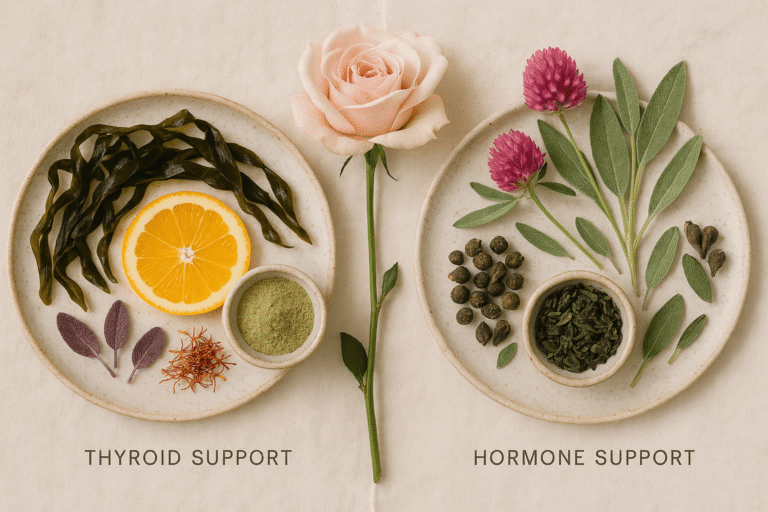
This is where targeted supplements designed specifically for menopausal women can make a real difference — particularly those that focus on managing cortisol and supporting healthy hormonal balance.
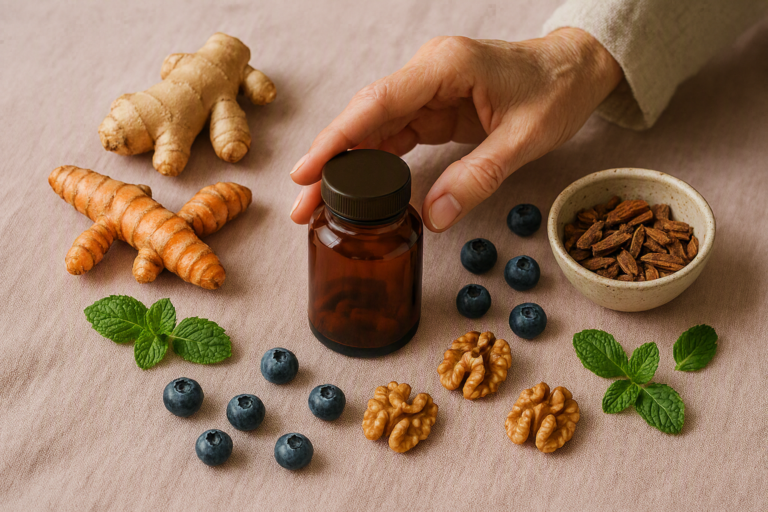
One of the most popular options for women dealing with menopause belly is MenoRescue, developed by WellMe. It uses a combination of clinically researched ingredients — including ashwagandha, sage leaf, BioPerine, and rhodiola rosea — that are designed to help support healthy cortisol levels, ease menopausal symptoms, and promote a healthier metabolism in women over 40.
What sets MenoRescue apart for many women is its focus on the cortisol-belly fat connection specifically, rather than just generic “menopause support.” For women who have already tried diet and exercise without results, addressing the hormonal piece can be the missing link.
If you’d like to learn more about how it works and read real customer experiences, you can check out MenoRescue here.
A Simple 4-Step Plan to Start Today
If you want a clear place to begin, here’s a simple plan based on everything we’ve covered:
- Track three things for one week: sleep hours, protein intake, and how often you feel “stressed.” This gives you a baseline.
- Add 25–30 grams of protein at breakfast. Eggs, Greek yogurt, cottage cheese, or a clean protein shake.
- Walk 30 minutes daily, ideally in the morning. Low-intensity movement lowers cortisol without spiking it.
- Consider a targeted hormone-support supplement like MenoRescue to address the cortisol-belly fat connection directly while you build healthier habits.
Final Thoughts
Menopause belly is not a sign that you’ve “let yourself go.” It’s not a failure of discipline. It’s a biological response to one of the biggest hormonal transitions of your life — and it deserves a smart, informed, compassionate response, not punishment.
The women who thrive in this season aren’t the ones doing more — they’re the ones who finally start doing the right things for the body they have now, not the body they had at 30.
If this post was helpful, explore our other articles in the Menopause and Women’s Health categories — we cover everything from natural remedies to hormone balance, weight management, and wellness for women thriving after 40.
Affiliate disclosure: This post may contain affiliate links. If you make a purchase through these links, we may earn a small commission at no extra cost to you. We only recommend products we genuinely believe can help women thrive after 40.
“`