Berberine for Menopause: Benefits, Side Effects & How to Use
If you’ve spent more than five minutes on wellness Instagram or TikTok lately, you’ve probably seen berberine for menopause being called “nature’s Ozempic.” The claims are everywhere: melt belly fat, balance hormones, fix insulin resistance, reverse menopause weight gain, lower blood sugar. Some of these claims are based on real research. Some are wildly overblown. And almost nobody is explaining what berberine actually does (and doesn’t do) specifically for women in midlife.
This guide cuts through the noise. We’ll explain what berberine really is, why it’s suddenly trending for menopause specifically, what the science actually says about benefits and side effects, who should consider it (and who shouldn’t), and how to use it safely if you decide to try it.
No hype. No miracle promises. Just honest, science-based information for women whose bodies are changing — and who are looking for real answers.
What Is Berberine?
Berberine is a yellow compound extracted from several plants — most commonly Berberis (barberry), goldenseal, Oregon grape, and tree turmeric. It’s been used in traditional Chinese and Ayurvedic medicine for over 2,500 years, primarily for digestive issues, infections, and inflammation.
What makes berberine so interesting to modern researchers is that it activates an enzyme called AMPK (AMP-activated protein kinase) — sometimes called the body’s “metabolic master switch.” When AMPK is activated, your body becomes more efficient at:
- Burning stored fat for energy
- Lowering blood sugar
- Improving insulin sensitivity
- Reducing inflammation
- Supporting healthy cholesterol levels
The comparison to Ozempic isn’t entirely off-base — both target metabolic pathways. But the mechanisms are different, the effects are far gentler, and berberine is a supplement, not a prescription medication. It’s not a magic shortcut. But for many women in midlife, it can be a meaningful piece of a bigger picture.
Why Berberine Matters Specifically for Women 40+
Here’s what nobody is connecting in the trendy wellness content: the reasons women experience menopause symptoms and the mechanisms berberine targets are directly linked. As estrogen drops during perimenopause and menopause, your body undergoes specific changes that berberine happens to address:
1. Insulin Resistance Spikes
Estrogen helps regulate insulin sensitivity. When estrogen drops, many women become more insulin-resistant — meaning carbs they used to eat without issue now spike blood sugar and store as belly fat more readily. This is why the same diet that worked at 35 suddenly stops working at 48.
Berberine directly improves insulin sensitivity in clinical studies — sometimes as effectively as the diabetes medication metformin. For midlife women, this matters a lot.
2. Belly Fat Storage Increases
Lower estrogen redirects fat storage from hips and thighs to the abdomen — and this visceral belly fat is far more inflammatory and metabolically harmful. By improving insulin sensitivity and activating AMPK, berberine targets exactly the kind of stubborn belly fat menopause creates.
3. Chronic Inflammation Rises
Estrogen has natural anti-inflammatory effects. When it drops, inflammation rises across the body — affecting joints, mood, weight, and even cardiovascular health. Berberine has well-documented anti-inflammatory effects that can help offset this shift.
4. Cardiovascular Risk Increases
Women’s heart disease risk rises sharply after menopause. Berberine has been shown to support healthy cholesterol levels, improve triglycerides, and reduce some cardiovascular risk markers.
5. Gut Health Suffers
Gut microbiome diversity often declines during menopause, contributing to bloating, weight gain, and mood issues. Berberine has demonstrated effects on rebalancing the gut microbiome — supporting both digestion and broader hormonal health.
What the Science Actually Says
Here’s what the research clearly supports (these aren’t speculative claims):
- ✅ Berberine lowers blood sugar as effectively as some diabetes medications
- ✅ Berberine improves insulin sensitivity in adults with metabolic issues
- ✅ Berberine supports modest weight loss when combined with diet (usually 2–5 lbs over 12 weeks in studies)
- ✅ Berberine lowers LDL cholesterol and triglycerides
- ✅ Berberine has anti-inflammatory effects
- ✅ Berberine can improve gut microbiome balance
What the research does NOT support:
- ❌ Berberine is “Ozempic” — Ozempic acts on completely different receptors
- ❌ Berberine causes dramatic weight loss (20+ lbs) — that’s overhyped
- ❌ Berberine “balances hormones” directly — it works on metabolism, not hormones per se
- ❌ Berberine reverses menopause — no supplement does that
- ❌ Berberine is a substitute for healthy lifestyle — it AMPLIFIES good habits, not replaces them
Realistic expectations matter. Berberine is genuinely effective for what it does. But “TikTok berberine” promises are mostly marketing.
How Much Berberine Should You Take?
Most research-backed doses fall in this range:
- Standard dose: 500mg, three times daily (1,500mg total)
- Lower dose for sensitive individuals: 500mg, twice daily
- Always take with food to reduce digestive upset
- Best timing: 30 minutes before meals (with the largest meals of the day)
If you’re new to berberine, start with 500mg once daily for the first week, then build up. Going straight to 1,500mg can cause stomach upset.
Side Effects and Who Should Avoid Berberine
Berberine is generally well-tolerated, but it’s not for everyone. Common side effects (usually mild and short-term):
- Digestive upset (gas, bloating, cramping, diarrhea or constipation)
- Headache (especially first week)
- Skin rash (rare)
DO NOT take berberine if you:
- Are pregnant or nursing (can affect bilirubin levels)
- Take diabetes medication — berberine can amplify blood sugar lowering effects (dangerous combination)
- Take blood thinners (cyclosporine, warfarin) — berberine interacts
- Take medications metabolized by CYP3A4 enzymes (many common drugs)
- Have liver disease
- Have low blood pressure
Always consult your doctor before starting berberine, especially if you take any prescription medications. This isn’t a casual supplement.
What to Look For in a Quality Berberine Supplement
1. Berberine HCl Form
Look for “berberine HCl” on the label — this is the most studied and bioavailable form. Avoid vague “berberine complex” products that don’t specify the form.
2. Adequate Dose Per Capsule
Look for capsules with 500mg per dose. Products with 250mg or less require taking more pills.
3. Absorption Enhancers (Bonus)
Quality berberine products often include absorption enhancers like piperine (black pepper extract) or milk thistle, since berberine has notoriously poor absorption on its own. This is a real bonus.
4. Third-Party Testing
Berberine sourced from poor manufacturing can contain contaminants. Look for products with published third-party testing.
5. Clean Ingredients
No artificial colors, sweeteners, or unnecessary fillers. Quality companies keep formulas clean.
🥇 Our Top Pick: Purisaki Berberine Patches
Best for: Women 40+ who want the metabolic benefits of berberine — without the digestive side effects, daily pill-popping, or memory burden of yet another supplement to remember.
Here’s something most people don’t know: traditional berberine capsules cause significant digestive upset in many women — bloating, cramping, nausea, even diarrhea. It’s one of the most common reasons women stop taking it before they ever see results.
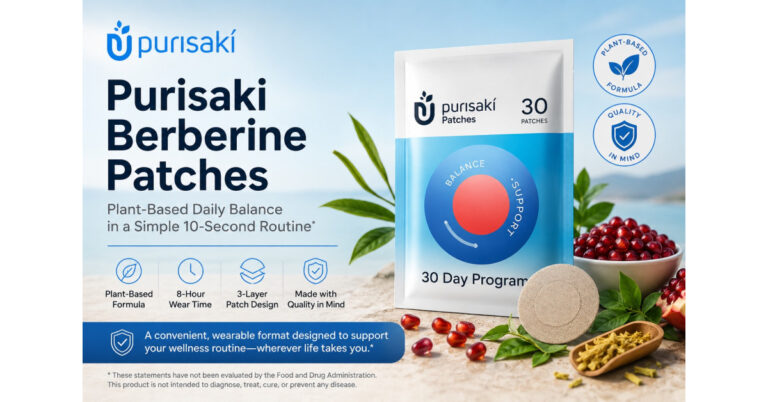
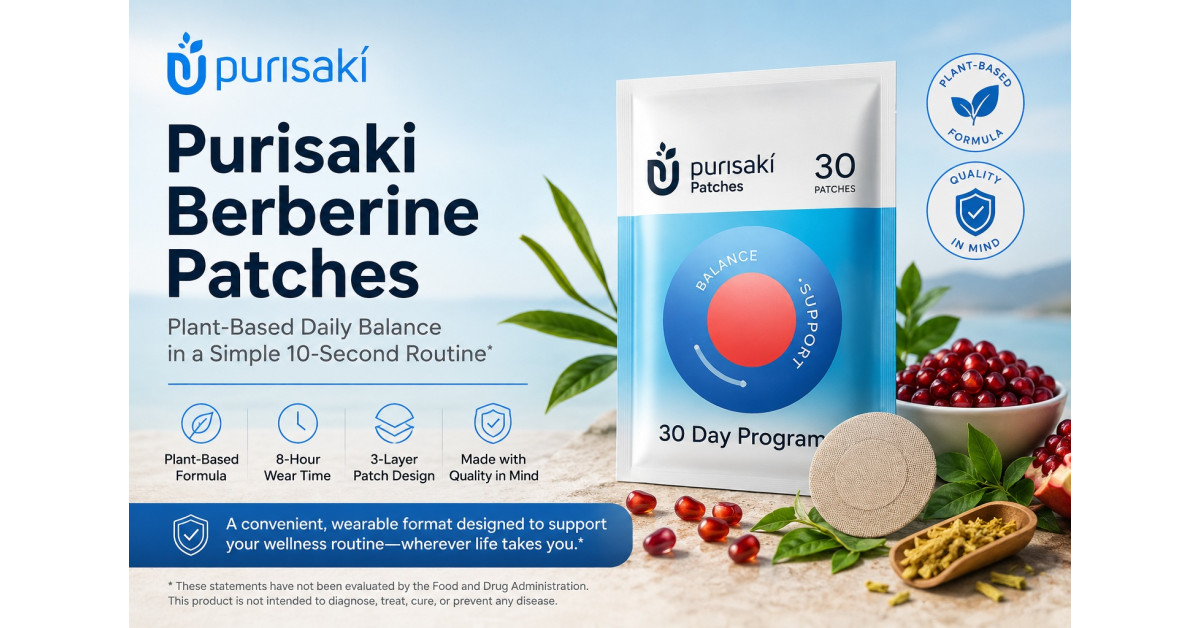
Purisaki Berberine Patches solve this with a smart delivery system — a transdermal patch that delivers berberine and a synergistic blend of metabolic ingredients through your skin, bypassing your digestive system entirely. Stick on, leave for 8 hours, take off. Steady, controlled release. No pills. No GI issues.
What makes it different from capsule berberine:
- ✅ Transdermal patch format — no pills, no digestive side effects
- ✅ Multi-ingredient formula — berberine PLUS fucoxanthin (seaweed fat burner), pomegranate oil, green tea extract, African mango, and B vitamins
- ✅ 8-hour controlled release — steady metabolic support all day
- ✅ “Stick and forget” simplicity — apply once, no remembering pills
- ✅ Non-stimulant — won’t affect sleep or anxiety
- ✅ Discreet — wear under clothes, nobody knows
- ✅ Natural plant-based formula
- ✅ 4.3/5 stars from 8,600+ reviews
Best for women who: Have tried berberine capsules and couldn’t tolerate them, are tired of taking 5+ pills a day, want appetite and craving control without stimulants, or are dealing with stubborn menopause belly fat that hasn’t budged. Especially good for busy moms and women in midlife who want a “set it and forget it” approach.
One important note: Purisaki Berberine Patches work best alongside the lifestyle pieces — eating real food, daily movement, stress management. They support your effort by helping curb cravings and supporting metabolism, but they don’t replace healthy habits.
Affiliate disclosure: We may earn a commission if you purchase through this link, at no extra cost to you. We only recommend products we’ve researched and would recommend to our own family.
Berberine + Other Menopause Supplements
Berberine is metabolic-focused. It pairs well with hormone-focused supplements for a more complete approach. Common combinations:
- 🌸 Berberine + a menopause multi-formula (like MenoRescue) — addresses both metabolism AND hormonal symptoms
- 🌸 Berberine + a metabolism formula (like CitrusBurn) — double-action on menopause belly fat
- 🌸 Berberine + collagen (like Collagen Refresh) — metabolism + connective tissue support
You don’t need to take everything at once. Berberine alone is potent. But for women dealing with multiple menopause symptoms, layered support often works better than one product alone. See our complete supplements buyer’s guide for full stacking strategies.
What to Expect When You Start Berberine
- Week 1: Possible mild digestive adjustment. Start at 500mg once daily.
- Weeks 2–4: Build up to full dose (1,500mg). Some women notice better blood sugar response (less afternoon crash) and reduced cravings.
- Weeks 4–8: Most users report noticeable changes — less bloating, improved energy, easier weight management, fewer sugar cravings.
- Weeks 8–12+: Cumulative benefits emerge — particularly for blood sugar regulation, cholesterol improvement, and modest belly fat reduction (when combined with healthy eating).
Pro tip: Berberine should be cycled — most experts recommend taking it for 8–12 weeks, then taking a 2–4 week break before resuming. This prevents tolerance and supports long-term effectiveness.
Frequently Asked Questions
Can berberine help me lose menopause belly fat?
Yes — modestly. In studies, berberine combined with diet helps users lose around 2–5 pounds over 12 weeks, with a focus on visceral belly fat reduction. It’s not dramatic, but it’s real and targeted at the type of fat menopause creates.
Is berberine safe long-term?
Most research is on 3–6 month use. Long-term safety beyond that is less studied. The recommended approach is to cycle berberine (12 weeks on, 4 weeks off) rather than taking it continuously for years.
Can I take berberine with hormone replacement therapy (HRT)?
You must talk to your doctor. Berberine affects the CYP3A4 enzyme system that can interact with HRT and many other medications. This isn’t a casual combination.
Does berberine help with hot flashes?
Indirectly. Berberine doesn’t target hot flashes directly. But by reducing inflammation and stabilizing blood sugar (which affects cortisol), some women report fewer or less intense hot flashes as a secondary benefit.
How long until berberine works?
Blood sugar improvements can show within 2–4 weeks. Weight and cholesterol changes typically take 8–12 weeks of consistent use.
Is berberine better than metformin?
For blood sugar control, studies show comparable effectiveness. But metformin is a prescription drug with decades of research and physician oversight. Berberine is a supplement option for those without diabetes who want metabolic support. They’re not interchangeable — consult your doctor.
The Bottom Line
Berberine for menopause is real — but it’s not the “natural Ozempic” miracle that wellness influencers want you to believe. What it actually is: a science-backed supplement that targets the metabolic shifts of midlife — insulin resistance, belly fat, cholesterol changes, and chronic inflammation. For women who are dealing with these specific issues, it can be a meaningful tool.
It’s not for everyone. It has real interactions and side effects. It requires patience and consistency. And it works best as part of a broader lifestyle — eating real food, moving daily, managing stress, sleeping well.
But for the right woman, at the right time, with the right approach — berberine can be one piece of a smart, science-driven response to menopause. Your body isn’t broken. It’s adapting. And you have more options than the “just live with it” mindset many women are given. 🌸
✦ Editor’s Note ✦
Want to See How This Compares?
If you’re still researching, our complete buyer’s guide breaks down the best supplements for menopause by category — with what to look for, what to avoid, and our honest top picks in each area.
Related reading: Menopause Diet Plan: 12 Foods That Help & 7 to Avoid | Menopause Belly: The Real Reason It Happens | Weight Loss After 40 | Best Supplements for Menopause
This article is for educational purposes only and does not replace medical advice. Berberine can interact with several medications and isn’t safe for everyone. Always consult with a qualified healthcare provider before starting berberine or any new supplement, especially if you have a chronic condition or take prescription medications.