Bladder Leaks After 40: What’s Really Happening (And What Actually Helps)
You laugh a little too hard. You sneeze unexpectedly. You jump for a fitness class. And there it is — that tiny, embarrassing, life-narrowing moment: the leak. Maybe it started small. Maybe you brushed it off as a one-time thing. But now you’re planning your outfits around it, choosing seats near bathrooms, saying no to trampoline parks with your grandkids. If you’re dealing with bladder leaks after 40, we need to have the honest conversation nobody wants to have — because you’re not alone, and you’re definitely not broken.
Here’s the truth: bladder leaks after 40 affect somewhere between 30% and 60% of women during and after menopause. Six out of ten. Half your friends. Your mother. Probably your neighbor. And yet almost no one talks about it. Doctors dismiss it as “normal aging.” Marketing sells you overpriced pads instead of solutions. And you’re left feeling isolated with something that’s actually a real, biological, addressable issue.
This guide will break down what’s really happening to your bladder after 40, why menopause makes it dramatically worse, the surprising role your gut microbiome plays, the “just do Kegels” myth that leaves so many women underprotected, and the natural approaches — including our top supplement pick — that address the actual root causes.
Let’s talk about what nobody talks about.
⏱️ IN A HURRY? 30-Second Guide
Understanding Your Bladder Leaks
💧 Stress Leaks (when you laugh, sneeze, jump): Usually pelvic floor weakness — Kegels + targeted support help.
🚽 Urge Leaks (sudden, can’t-hold-it feeling): Often microbiome-related — probiotic + herbal support addresses root cause.
🌸 Menopause-Related Leaks: Combination of estrogen decline + pelvic floor changes + microbiome shifts — needs comprehensive approach.
Now let’s dive into why — and cover what actually helps.
What’s Really Happening to Your Bladder After 40
Your bladder is a complex, hormone-sensitive organ that quietly does its job for decades — until menopause and midlife hit. Then several biological changes stack on top of each other:
- Estrogen declines — Estrogen receptors exist throughout your urinary tract. When estrogen drops, urethral tissue thins, becomes less elastic, and loses its ability to seal properly.
- Pelvic floor muscles weaken — Years of pregnancy, childbirth, gravity, and hormonal changes reduce the strength of the muscles that hold everything in place.
- Bladder capacity decreases — Your bladder holds less than it used to, so urgency comes on faster.
- Vaginal microbiome shifts — Beneficial bacteria (especially Lactobacillus species) that protect the urinary tract decline dramatically after menopause.
- Bladder wall becomes reactive — With less estrogen support, the bladder wall becomes more sensitive to irritation and inflammation.
- Involuntary muscle contractions — The bladder muscle can start contracting on its own, creating that “gotta go NOW” feeling.
Each of these is a real biological change. Together, they explain why bladder leaks after 40 feel so different from anything you’ve experienced before.
The Common Types of Bladder Leaks Women 40+ Experience
Stress Incontinence
Leaks that happen when pressure on your bladder increases — laughing, sneezing, coughing, jumping, lifting, exercising. Usually caused by weakened pelvic floor muscles. Very common in women who’ve had children.
Urge Incontinence
Sudden, intense need to urinate — sometimes with leaks before you can reach the bathroom. Often caused by microbiome imbalance, bladder wall irritation, or involuntary bladder contractions.
Mixed Incontinence
Both types at once. Very common in midlife women. Requires addressing multiple root causes at the same time.
Frequency & Urgency (Without Leaks)
Constant awareness of your bladder — bathroom trips every hour, waking up multiple times at night. Not full “leaks” but significantly life-limiting.
Why Menopause Makes Bladder Leaks After 40 Worse
Here’s the connection most women aren’t told: your bladder is deeply hormone-sensitive. Estrogen receptors exist throughout your urinary tract, and when estrogen drops during perimenopause and menopause, every part of your bladder system feels it.
- Urethral thinning — Without estrogen support, the tissue that seals your bladder becomes thinner and less able to close tightly.
- Vaginal atrophy — Related to bladder issues — the same tissues that cause vaginal dryness after 40 also affect bladder function.
- Microbiome collapse — Protective Lactobacillus bacteria decline dramatically, allowing harmful bacteria to overgrow.
- Recurrent UTIs — Up to 50% of postmenopausal women experience recurrent urinary tract infections due to these microbiome changes.
- Increased inflammation — Lower estrogen means higher inflammation, which affects bladder sensitivity.
This is why the “just do Kegels” advice often fails women 40+. Kegels help with pelvic floor strength, but they can’t restore hormonal support, rebalance the microbiome, or reduce inflammation. Real relief requires addressing all these pathways together.
The Overlooked Truth: Your Bladder and Gut Microbiome
Here’s the surprising insight most bladder solutions completely miss: your urinary tract has its own microbiome, and it’s deeply connected to both your gut and vaginal microbiomes.
Specifically, protective Lactobacillus bacteria (the same family found in fermented foods) live in your vaginal and urinary tract and:
- Prevent harmful bacteria from causing infections
- Maintain healthy pH levels in the urinary tract
- Support the bladder wall’s integrity
- Reduce inflammation that causes urgency
- Communicate with your immune system
When estrogen drops in menopause, these beneficial bacteria decline dramatically. That’s when bladder issues escalate. Restoring the microbiome is one of the most important — and most overlooked — approaches to addressing bladder leaks after 40. If you’re curious about the broader microbiome-menopause picture, our menopause and gut health guide covers the connections in depth.
What Actually Helps: A Comprehensive Approach
1. Pelvic Floor Physical Therapy
Not just Kegels alone. Working with a pelvic floor physical therapist can dramatically improve stress incontinence. Many insurances cover this. It’s a game-changer for women who’ve never had formal guidance.
2. Support the Urinary Microbiome
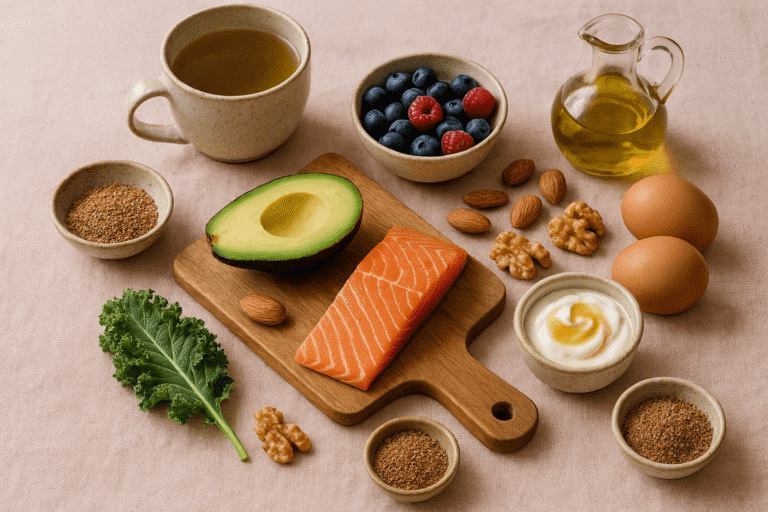
Restore protective Lactobacillus bacteria through fermented foods (yogurt, kefir, sauerkraut) and targeted probiotics with strains specifically studied for urinary tract health.
3. Bladder-Supporting Herbs
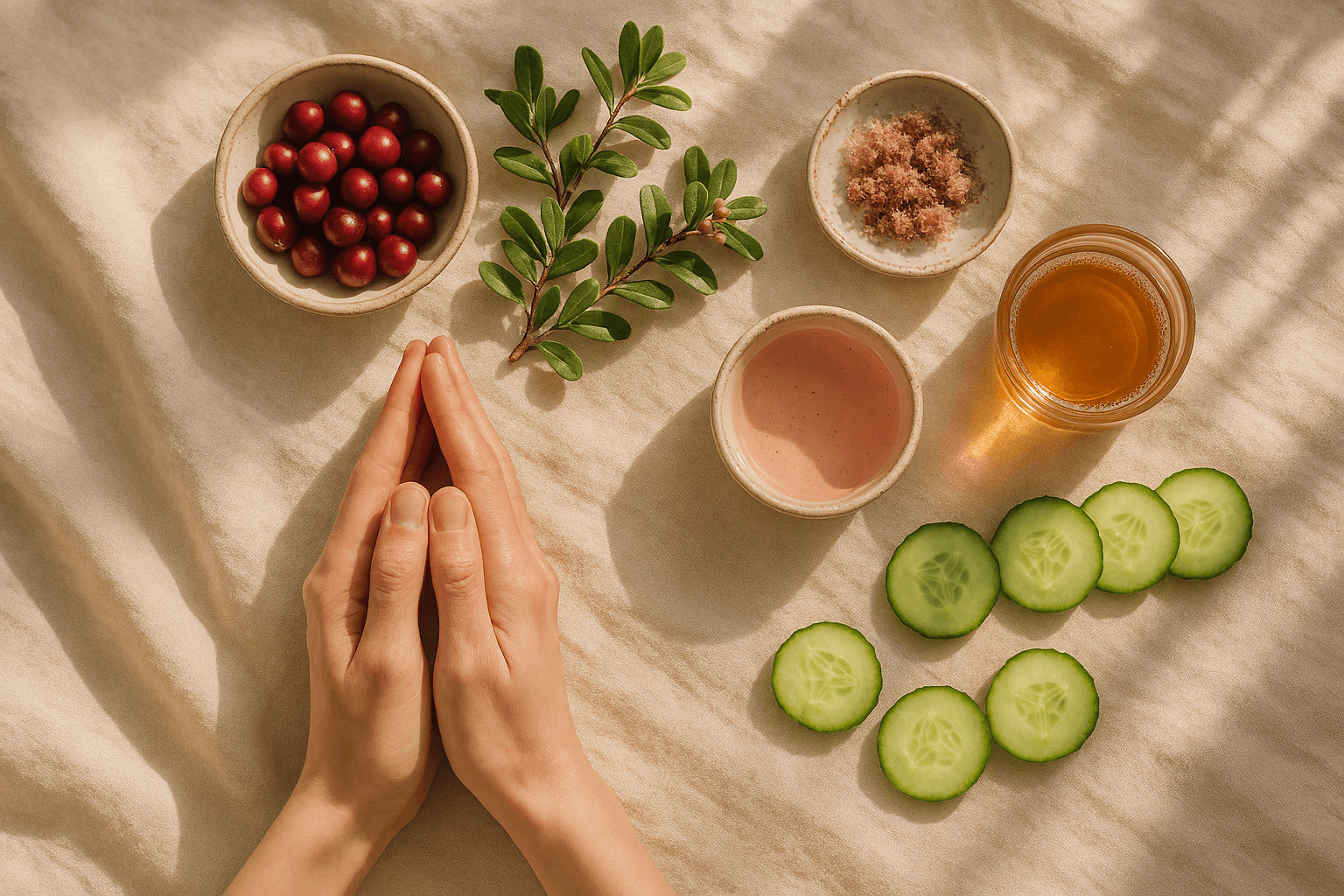
Cranberry (real research supports its benefits), bearberry (traditional urinary tract support), mimosa pudica (soothing herbs), and berberine (antimicrobial) can support bladder health through multiple pathways.
4. Address Bladder Irritants
Reduce caffeine, alcohol, artificial sweeteners, spicy foods, and citrus if they trigger urgency. Stay hydrated (dehydration paradoxically worsens leaks). Empty your bladder on a schedule.
5. Consider Local Estrogen (Talk to Your Doctor)
Vaginal estrogen cream is highly effective for many women with menopause-related bladder issues, and it doesn’t carry the systemic risks of HRT. Ask your doctor if it’s right for you.
6. Targeted Supplementation
A formula that combines urinary-supporting herbs with beneficial probiotic strains can address multiple root causes at once — offering more comprehensive support than any single approach alone.
Our Top Pick for Bladder Leaks After 40: FemiCore
After researching the market, one product stands out for women dealing with bladder leaks after 40: FemiCore. Here’s why it earned our top pick:
- ✅ Multi-pathway approach — Combines urinary-supporting herbs AND probiotic strains in one formula
- ✅ Traditional botanicals — Mimosa Pudica, Bearberry (uva-ursi), Cranberry Extract, and Berberine
- ✅ 5 Lactobacillus probiotic strains — Crispatus, Acidophilus, Plantarum, Gaseri, Cassei (specifically studied for feminine health)
- ✅ Microbiome-focused — Addresses the ROOT cause of urge-type leaks
- ✅ Natural, non-GMO, no stimulants — gentle on midlife systems
- ✅ 19,263+ verified reviews — strong social proof
- ✅ 60-day money-back guarantee
- ✅ Bonus content with 6-bottle package (marriage passion, gut reset, hip mobility guides)
What makes FemiCore particularly interesting for our audience is its focus on the urinary microbiome — the exact system most affected by menopausal hormone changes. Rather than just providing herbs to “calm” the bladder, it works to restore the protective bacterial ecosystem that supports urinary function long-term.
Affiliate disclosure: We may earn a commission if you purchase through this link, at no extra cost to you. We only recommend products we’ve personally researched and would recommend to our own family.
💡 Reality Check: Bladder issues respond gradually — most women see meaningful improvements over 6-12 weeks of consistent care. Supplements support but don’t replace pelvic floor work, addressing bladder irritants, and (when needed) medical evaluation. If your leaks are severe, sudden, painful, or accompanied by blood, see a doctor to rule out infections or other conditions. This is educational information, not medical advice.
Bladder Leaks After 40: When to See a Doctor
While many cases of bladder leaks after 40 respond to natural approaches, some situations warrant medical evaluation:
- 🩺 Sudden or severe onset of incontinence
- 🩺 Blood in urine (ever, no matter how faint)
- 🩺 Pain with urination or in your lower abdomen
- 🩺 Fever or back pain (possible kidney infection)
- 🩺 Recurring urinary tract infections
- 🩺 Complete inability to control urination
- 🩺 Leaks that significantly disrupt your quality of life
Ask your doctor about pelvic floor physical therapy, vaginal estrogen options, and other interventions. Many women benefit from a combination of medical support + natural approaches. There’s no shame in getting help — this is a real medical concern, not a personal failing.
Frequently Asked Questions
Are bladder leaks after 40 normal?
Common? Yes — 30-60% of women 40+ experience some form. But “common” doesn’t mean “acceptable” or “untreatable.” Real solutions exist. You don’t have to just live with it.
Will Kegels alone fix my bladder leaks?
Kegels help with stress incontinence but don’t address microbiome imbalance, hormonal changes, or bladder wall irritation. Most women 40+ need a multi-pathway approach, not just muscle exercises.
How long until I see results from supplements?
Most women notice initial improvements (reduced urgency, fewer leaks) within 3-6 weeks. Meaningful microbiome rebalancing takes 8-12+ weeks. Consistency matters more than any single choice.
Can I take FemiCore with other supplements?
Generally yes. Many women combine FemiCore with MenoRescue (for hormonal balance) or take it alongside probiotic-rich foods. See our best supplements for menopause guide for comprehensive guidance.
Should I avoid drinking water to prevent leaks?
Absolutely not. Dehydration actually WORSENS bladder issues by concentrating urine, which irritates the bladder wall. Stay properly hydrated (with plain water, not diuretics like coffee or alcohol).
Is vaginal estrogen safe if I can’t take HRT?
Vaginal estrogen cream is applied locally and has minimal systemic absorption. Many women who can’t or don’t want to take HRT can safely use vaginal estrogen. Discuss with your doctor.
Will bladder leaks ever go away completely?
Many women achieve significant reduction or complete resolution with comprehensive treatment. Others manage well with a mix of lifestyle changes, supplements, and periodic medical support. Your outcome depends on causes, consistency, and individual response.
A Final Word on Bladder Leaks After 40
Your body has carried you through pregnancy, birth (maybe), decades of laughing until you couldn’t breathe, dancing at weddings, running after toddlers, and thousands of moments that stretched your resilience. If your bladder is asking for support now, that’s not weakness — it’s a request for care after a lifetime of showing up.
The truth is — bladder leaks after 40 are deeply responsive to intentional care. Support the microbiome. Strengthen the pelvic floor. Address the hormonal changes. Try the supplements that address root causes rather than just managing symptoms. And release the shame — this isn’t your fault, this isn’t unusual, and this is very, very fixable.
You deserve to laugh freely. To sneeze without dread. To jump on the trampoline with the grandkids. To exercise without planning your bathroom access. To live in your body without constant background anxiety about “what if.”
You’re not “just getting older.” You’re entering the phase where intentional care matters more than ever — and where the small daily choices you make now determine decades of confidence, freedom, and comfort.
Bloom on, beautifully. 🌸
✦ Editor’s Note ✦
Building a Complete Wellness Routine?
Bladder health is one piece. Our complete guide covers the best supplements for menopause by category — hormones, joints, skin, gut, thyroid, and more.
Related reading: Vaginal Dryness After 40 | Menopause and Gut Health | Why Your Libido Changes After 40 | Best Supplements for Menopause
This article is for educational purposes only and does not replace medical advice. For persistent or severe urinary symptoms, consult a qualified healthcare provider.