Sugar Cravings During Menopause: Why They Get So Intense (And What Actually Helps)
If sugar cravings during menopause have been hitting you like a freight train — at 3pm, at 9pm, after every meal, sometimes when you’re not even hungry — you’re not alone, and you’re not weak. Something real is happening in your body, and it’s not something willpower alone can fix.
You used to be able to say no to the office donuts. You used to walk past the bakery without a second thought. Now, chocolate calls to you from three rooms away. Bread suddenly seems irresistible. That afternoon craving for something sweet has become a daily battle you’re tired of fighting.
Here’s what’s really happening — and the honest approaches that actually work for women 40+.
What Sugar Cravings During Menopause Really Are
Sugar cravings during menopause aren’t just “wanting something sweet” — they have a signature pattern that separates them from normal preferences:
They feel physical, not mental. This isn’t wanting a treat. It’s a full-body pull toward sugar that feels almost impossible to ignore.
They peak at predictable times. Mid-afternoon (2-4pm). Evening (8-10pm). After stressful moments. Right before your period (if you still have one).
They hit even when you’re full. You just finished dinner. You’re not hungry. And yet — you need dessert. Not want. Need.
They come with irritability. If you don’t give in, you feel edgy, foggy, exhausted. Give in, and 30 minutes later you feel guilty and crashed again.
They target specific foods. Not just any sweet — chocolate. Or bread. Or wine. Your cravings have their own personality.
This is not lack of willpower. This is hormonal biology, and it’s happening to millions of women right now.
More Than Just Cravings
If you’re dealing with sugar cravings during menopause plus weight gain, afternoon crashes, or stubborn belly fat, they’re all connected to the same hormonal shift.
Why Menopause Causes Intense Sugar Cravings
Five hormonal shifts conspire to intensify your cravings during perimenopause and menopause:
1. Estrogen decline. Estrogen affects serotonin (your feel-good neurotransmitter). When estrogen drops, serotonin drops. Your brain seeks sugar because eating sugar temporarily boosts serotonin. It’s a chemical self-medication attempt.
2. Insulin resistance. As estrogen falls, cells become less responsive to insulin. Blood sugar spikes higher and crashes harder. Each crash triggers intense cravings for more sugar to bring you back up. The cycle escalates over time.
3. Cortisol elevation. Menopause raises cortisol, especially at night and during stress. Cortisol directly signals your body to seek quick energy — meaning sugar and refined carbs.
4. Sleep disruption. Poor sleep (thanks to menopause insomnia and night sweats) raises ghrelin (hunger hormone) and lowers leptin (satiety hormone). You wake up hungrier and less satisfied — a perfect setup for sugar cravings.
5. Dopamine sensitivity changes. Estrogen affects dopamine reward pathways. As estrogen shifts, your brain seeks bigger dopamine hits — and sugar delivers them fast.
Every one of these factors reinforces the others. That’s why willpower alone rarely wins.
The Vicious Cycle of Sugar Cravings
Here’s the trap most women fall into:
You feel the craving. You resist for 20 minutes. Willpower fails. You eat sugar. Blood sugar spikes. Insulin surges. Blood sugar crashes. You feel worse than before — tired, foggy, hungrier. The next craving hits even harder. You resist less well this time. Repeat.
This pattern isn’t a character flaw. It’s your body’s response to a real physiological shift. And the way out isn’t fighting harder — it’s supporting your body differently.
The Gut Connection Nobody Warned You About
Here’s something few doctors mention: your gut bacteria have opinions about what you eat. Specifically, some bacteria feed on sugar and refined carbs. When you eat sugar, they thrive. When you resist, they release signaling molecules that trigger more cravings.
This means the more sugar you eat, the more sugar-loving bacteria you cultivate — and the louder your cravings become. Supporting a healthier microbiome can significantly reduce craving intensity over time. Read our full guide to menopause and gut health →
A Reality Check
You cannot willpower your way out of hormonal sugar cravings during menopause. Trying to just “resist harder” often backfires with bigger binges later.
The women who actually beat their cravings combine lifestyle basics with targeted support that works with their body’s changed reality — not against it. Expect 4-8 weeks for real transformation. This isn’t a 3-day detox situation.
What Actually Helps: The Lifestyle Basics
Before any supplement, these foundations matter enormously:
Protein at every meal (25-30g). This is the single biggest change most women can make. Protein stabilizes blood sugar and prevents the crashes that trigger cravings. Eggs, Greek yogurt, chicken, fish, cottage cheese, or protein smoothies. Never a carb-only meal.
Eat before you’re starving. Waiting until you’re ravenous means you’ll make sugar-driven choices. Small, protein-focused meals every 3-4 hours works better than 2 big meals for most women 40+.
Sleep 7-8 hours. Sugar cravings during menopause dramatically intensify with poor sleep. Address sleep first, then everything else becomes easier.
Walk after meals. Even 10 minutes of walking after eating reduces blood sugar spikes by 20-30%. This one habit alone can cut afternoon cravings significantly.
Stay hydrated. Dehydration is often mistaken for sugar cravings. Try 16oz of water first when a craving hits — many disappear in 15 minutes.
Cut liquid sugar completely. Juice, sweetened coffee, cocktails, even “healthy” smoothies with added sweeteners. Liquid sugar spikes blood sugar without any satiety — the worst possible pattern for cravings.
Manage stress before it becomes cravings. Cortisol spikes trigger sugar seeking. Even 5 minutes of daily breath work, meditation, or a walk can prevent stress-eating patterns.
Fiber at every meal. Fiber slows blood sugar rise, which reduces the crash-and-crave cycle. Berries, greens, chia seeds, avocado, ground flaxseed.
The Supplement That Directly Targets Sugar Cravings
Lifestyle changes are foundational, but for many women 40+ dealing with severe sugar cravings during menopause, targeted supplementation makes a dramatic difference. One ingredient in particular has clinical research behind it for reducing sweet cravings: Gymnema Sylvestre.
Gymnema literally makes sweet taste receptors less responsive. Chocolate stops tasting as amazing. Cookies feel less satisfying. Your brain stops seeking sugar as urgently because the reward signal weakens.
1. Sugar Defender — The Craving Killer
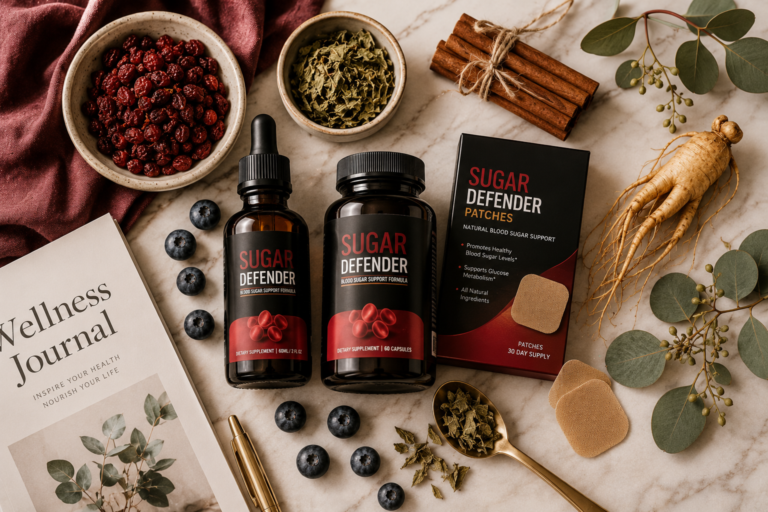
Sugar Defender is my top recommendation for women dealing with severe sugar cravings during menopause. Its formula centers around Gymnema Sylvestre combined with 7 other blood sugar-supporting ingredients including Chromium, Ginseng, and Eleuthero.
What makes it different: it addresses cravings from multiple angles at once. Gymnema reduces the sweet drive at the taste receptor level. Chromium supports insulin function so blood sugar swings smooth out. Adaptogens like Eleuthero help stabilize the cortisol-craving connection. It’s the multi-mechanism approach that most single-ingredient supplements can’t match.
Format is sublingual liquid drops — two full droppers in the morning before breakfast. Faster absorption than capsules, and one dose sets you up for the whole day.
What women notice: Cravings soften within 1-2 weeks (Gymnema effect). Afternoon crashes reduce by weeks 3-4. Sweet foods start tasting “too sweet” by week 4-6. Belly fat begins responding by month 2-3.
→ Check Sugar Defender on the Official Site
Read our full honest Sugar Defender review →
2. Purisaki Berberine Patches — Blood Sugar Stabilizer
If your cravings feel driven more by blood sugar swings than by taste-seeking, Purisaki Berberine Patches offer a different angle. Berberine is one of the most studied natural compounds for insulin sensitivity and blood sugar stability.
Purisaki’s transdermal patch delivery bypasses digestive breakdown, delivering steady berberine over 24 hours. When blood sugar stays stable, the crash-and-crave cycle breaks naturally.
→ Check Purisaki Berberine on the Official Site
Read our full Purisaki Berberine review →
My Honest Recommendation
If your primary struggle is with the taste of sugar itself — chocolate, sweets, desserts calling to you constantly, start with Sugar Defender. The Gymnema in the formula directly reduces sweet cravings at the receptor level.
If your cravings feel more like blood sugar swings driving your hunger — 3pm crashes, brain fog, needing carbs to survive the afternoon, try Purisaki Berberine. It stabilizes the underlying glucose rollercoaster.
Give either one at least 60 days alongside protein-focused eating and post-meal walking. That combination is what actually breaks the cycle for good.
What Not to Do
Don’t try to “detox” cold turkey. Sudden severe sugar elimination usually triggers rebound bingeing within 3-7 days. Gradual reduction works better.
Don’t rely on artificial sweeteners as a fix. Emerging research suggests they may keep sweet cravings alive and even worsen insulin sensitivity in some women. Use sparingly, if at all.
Don’t skip meals hoping to “save calories.” Skipped meals virtually guarantee bigger sugar cravings later. Consistent eating stabilizes everything.
Don’t ignore stress. If you’re constantly stressed, no anti-craving strategy will fully work. Cortisol will keep driving you toward sugar.
Don’t hate yourself for giving in. Self-criticism triggers cortisol, which triggers more cravings. Be kind. Notice. Reset at the next meal.
The Bigger Picture
Sugar cravings during menopause aren’t a character flaw or a willpower failure. They’re your body’s response to a real hormonal shift — one that responds beautifully to the right combination of food, sleep, movement, and targeted support.
You didn’t cause this. But you can absolutely change it. Not through fighting your body — through finally giving it what it actually needs.
Your relationship with sugar can absolutely reset. This is one of the most reversible aspects of menopause, and the path exists.
Related Reading
- Complete Menopause Symptoms Guide (35+ Signs)
- Menopause and Insulin Resistance: The Hidden Connection
- Menopause Weight Gain: Why Diets Stop Working
- Sugar Defender Review: An Honest Test
- Purisaki Berberine Review: Full Test
- Best Berberine Supplements 2026
- Menopause and Gut Health: The Overlooked Connection
- Menopause Diet Plan: 12 Foods That Help
Your Next Steps
If sweets are your weakness → Read our Sugar Defender review
If blood sugar swings drive your cravings → Read our Purisaki Berberine review
Want the root cause explained → Read about menopause insulin resistance
Bloom At 40 may earn a small commission when you purchase through our links, at no extra cost to you. We only recommend products we’ve researched thoroughly and believe genuinely help women 40+. This article is for educational purposes and does not replace medical advice from your healthcare provider. Thank you for supporting our work.